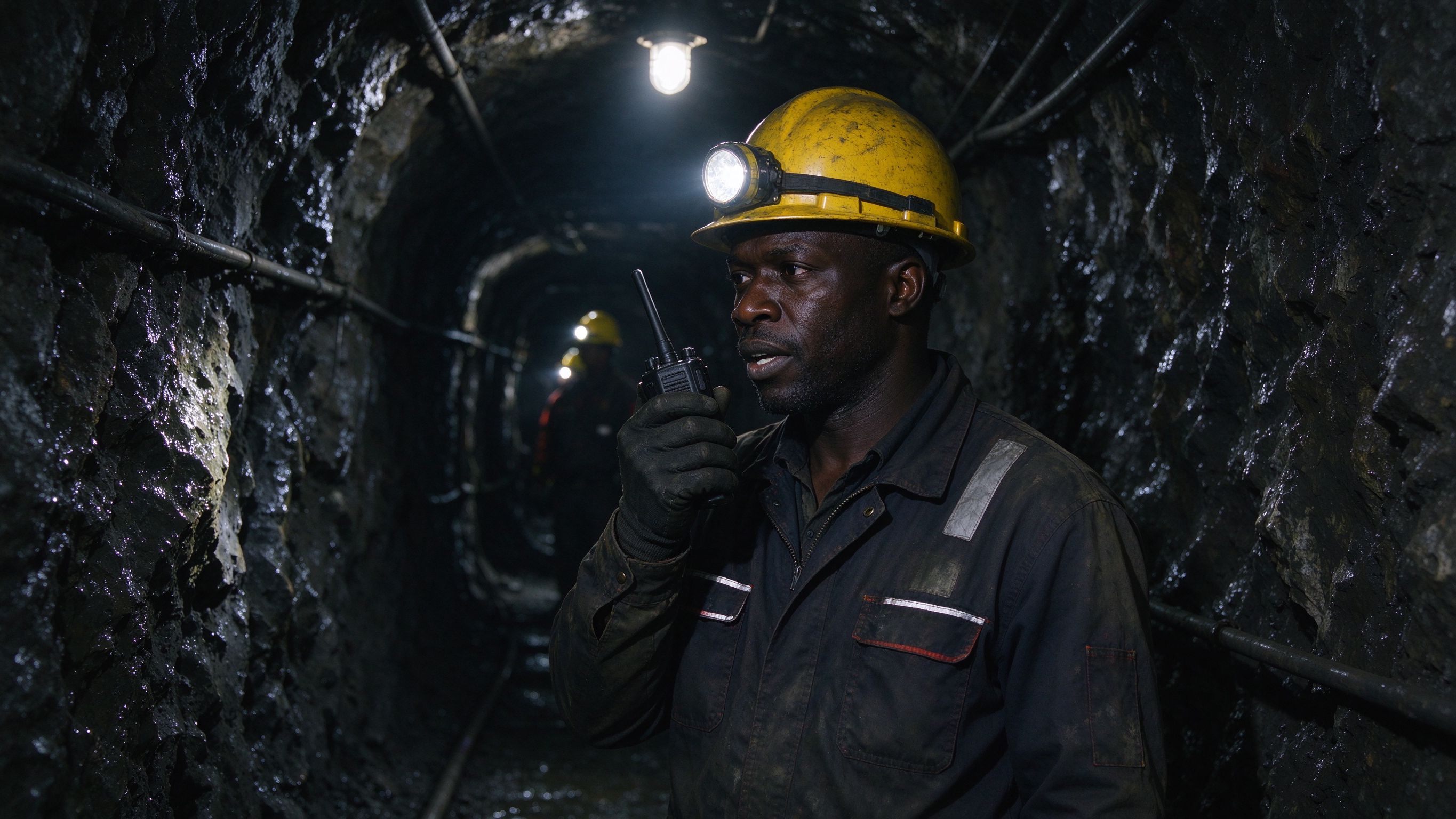
Municipal facilities rely heavily on effective communication tools to ensure operations run smoothly and efficiently. For staff members working in these environments, selecting the right two-way radios is essential for maintaining safety, coordination, and productivity. This article provides a comprehensive overview of how municipal facility managers can approach radio procurement to meet their specific needs.
Importance of Radios in Municipal Facilities
Two-way radios are indispensable in municipal facilities, enabling instant communication among staff members. Whether coordinating maintenance tasks, ensuring safety protocols, or managing emergency responses, these devices streamline operations and reduce downtime. Compared to smartphones, two-way radios offer reliability, durability, and ease of use, making them the preferred choice for municipal applications.
Key Benefits
- Instant Communication: Radios provide immediate connectivity without reliance on cellular networks.
- Durability: Designed to withstand harsh environments and continuous use.
- Ease of Use: Simple interfaces ensure quick adoption by staff members.
- Cost-Effectiveness: No recurring costs such as monthly service fees.
Factors to Consider When Procuring Two-Way Radios
Selecting the right radios involves evaluating several critical factors to ensure they meet the unique demands of municipal facilities. Below are the key considerations:
1. Range and Coverage
Municipal facilities vary in size, from small buildings to sprawling campuses. Radios must offer sufficient range to cover the entire operational area. Consider whether the devices will be used indoors, outdoors, or both, as this impacts signal strength and coverage.
2. Durability and Build Quality
Municipal staff often work in demanding environments, making durable radios a necessity. Look for models with robust casings, water resistance, and dustproof features. Radios with MIL-STD-810 certification are particularly suitable for rugged use.
3. Battery Life
Long battery life is crucial for maintaining uninterrupted communication during extended shifts. Opt for radios with rechargeable batteries and quick-charging capabilities. Some models also offer battery-saving modes to extend usage further.
4. Channel Availability and Privacy
For larger teams, radios with multiple channels allow different departments to communicate independently. Privacy features such as encryption and private call capabilities ensure sensitive information remains secure.
5. Licensing Requirements
Some radios require FCC licensing for operation, while others operate on license-free frequencies. Municipal facilities should assess whether licensing is necessary based on their communication range and frequency needs.
Popular Features to Look For
Modern two-way radios come with a variety of features tailored to municipal applications. Here are some of the most valuable options:
- Push-to-Talk (PTT): Enables instant communication with a single button press.
- Noise Cancellation: Reduces background noise in busy or loud environments.
- GPS Tracking: Useful for locating staff members during emergencies.
- Emergency Alerts: Dedicated buttons for quick alerts in critical situations.
- Group Call: Allows communication with multiple team members simultaneously.
Procurement Strategies for Municipal Facilities
To ensure successful procurement, facility managers should follow a structured approach:
Step 1: Assess Communication Needs
Start by identifying the specific requirements of your staff. Consider factors such as team size, operational environment, and typical communication challenges.
Step 2: Set a Budget
Determine a realistic budget that balances quality and affordability. Include costs for accessories such as headsets, chargers, and spare batteries.
Step 3: Evaluate Vendors
Choose reputable vendors like Walkie Talkie Wholesale, known for offering rugged business two-way radios. Look for suppliers with experience in municipal applications and excellent customer support.
Step 4: Test Before Purchase
Request demo units to test performance in real-world scenarios. Check for clarity, range, and ease of use under typical working conditions.
Step 5: Train Staff
Invest in training sessions to familiarize staff with the radios’ features and proper usage. This ensures maximum efficiency and reduces operational hiccups.
Conclusion
Procuring the right two-way radios for municipal facility staff is a critical step toward improving communication and operational efficiency. By carefully assessing needs, evaluating features, and partnering with trusted vendors, facility managers can ensure their teams are equipped with reliable and effective communication tools.
If you’re ready to explore high-quality radios tailored to municipal facilities, contact Walkie Talkie Wholesale today to find the perfect solution for your needs.