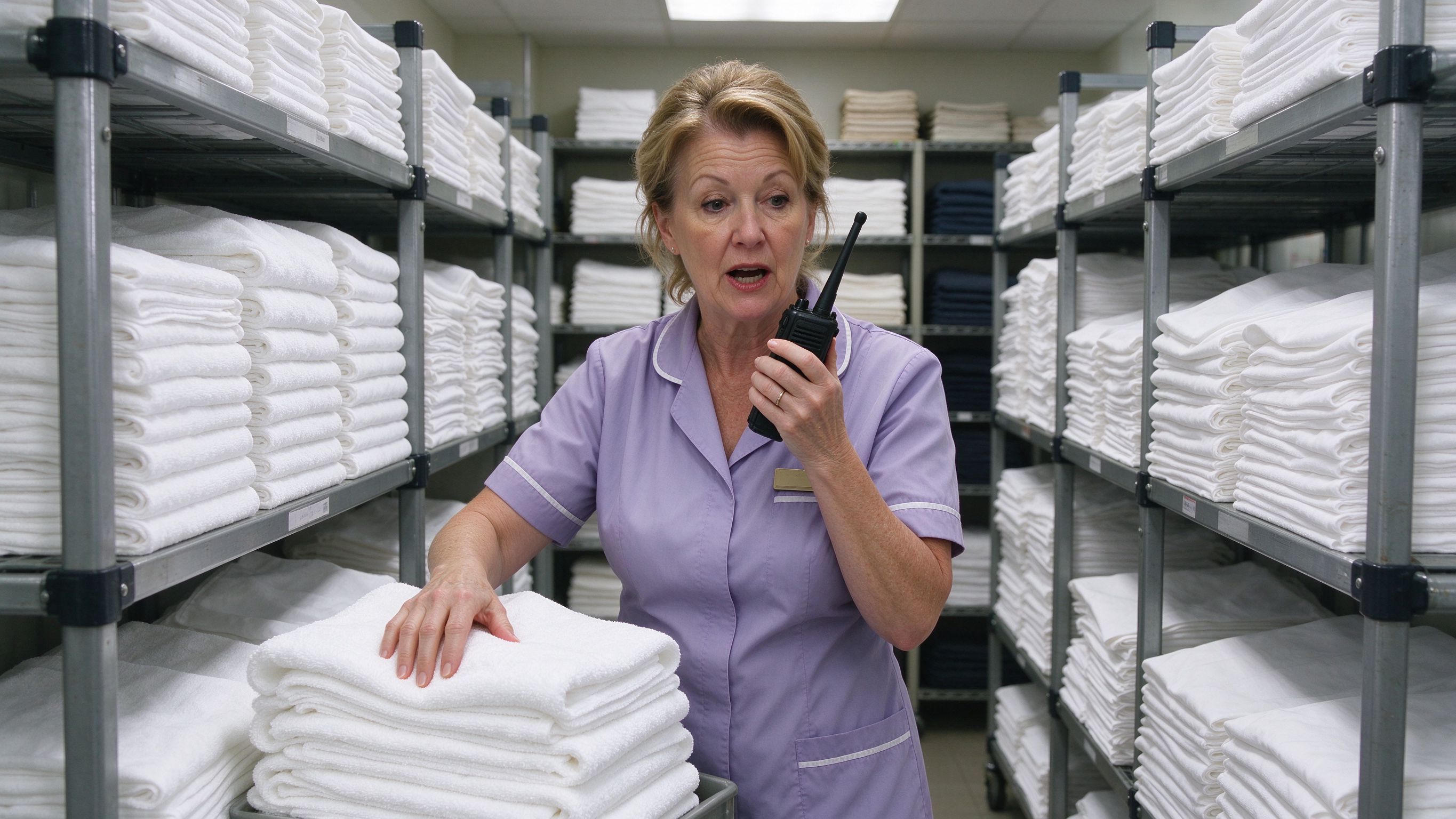
Understanding Intrinsically Safe Radios
Intrinsically safe radios are critical communication tools designed to operate safely in hazardous environments where explosive gases, flammable vapors, and combustible dust are present. These devices minimize the risk of sparking or overheating, making them essential for industries such as oil and gas, chemical processing, and mining.
Unlike standard radios, intrinsically safe models are built with specialized components that prevent ignition. They meet strict industry certifications such as ATEX, IECEx, or UL, ensuring compliance with safety standards. Businesses rely on these radios to maintain seamless communication while prioritizing worker safety.
Key Certifications for Intrinsically Safe Radios
Certifications are a cornerstone of intrinsically safe radio technology. They ensure the devices meet rigorous safety standards for use in hazardous locations. The most common certifications include:
- ATEX Certification: Recognized across Europe, ATEX ensures that electronic devices are safe to use in explosive atmospheres.
- IECEx Certification: A global standard that validates equipment safety in hazardous areas.
- UL Certification: A North American standard that guarantees the device’s compliance with explosion protection requirements.
When selecting intrinsically safe radios, understanding these certifications is vital. For instance, if your operations are in Europe, ATEX compliance is non-negotiable. Similarly, North American businesses should prioritize UL-certified devices.
Features to Look for in Intrinsically Safe Radios
Selecting the right intrinsically safe radio involves evaluating key features to ensure optimal performance and safety:
- Durability: Choose radios with rugged designs that can withstand harsh conditions, including extreme temperatures and physical impacts.
- Battery Safety: Intrinsically safe radios often feature specially designed batteries that prevent overheating or sparking.
- Ease of Use: Look for intuitive controls and ergonomic designs, especially for workers in demanding environments.
- Coverage and Range: Ensure the radio provides sufficient coverage for your facility’s size and layout.
- Advanced Communication Features: Options like noise cancellation and clear audio are essential in loud environments.
These features not only enhance safety but also improve operational efficiency, enabling workers to communicate effectively even in challenging conditions.
Applications in Hazardous Locations
Intrinsically safe radios play a pivotal role in a variety of industries where safety is paramount. Here are some examples:
- Oil and Gas Industry: These radios are indispensable for communication in refineries, drilling sites, and storage facilities where flammable substances are prevalent.
- Chemical Manufacturing: Workers handling volatile chemicals rely on intrinsically safe radios to coordinate operations without risking explosions.
- Mining Operations: Mines are prone to gas accumulation, making explosion-proof communication devices mandatory.
- Food Processing Plants: Facilities that handle combustible dust from grain or sugar processing also require intrinsically safe equipment.
By investing in certified radios, businesses ensure compliance while enhancing workplace safety.
Choosing the Right Intrinsically Safe Radio
Making the right choice involves balancing safety standards, functionality, and budget. Here are practical tips:
- Assess Your Hazard Level: Determine the specific risks in your environment to select appropriate certifications.
- Consult Industry Experts: Professional advice can guide you to the best options for your specific requirements.
- Field Testing: Test the radios in your operational environment to ensure they meet your needs.
- Long-Term Costs: Consider the lifespan, maintenance, and battery replacement costs when calculating ROI.
For tailored recommendations, contact “Walkie Talkie Wholesale | Rugged Business Two-Way Radios” for expert guidance and a wide range of certified intrinsically safe radios.
Conclusion
Intrinsically safe radios are not just communication tools; they are lifesaving devices in hazardous work environments. By understanding certifications, features, and industry applications, businesses can make informed decisions to ensure worker safety and operational efficiency. With the right radio, you can maintain seamless communication even in the most challenging conditions.
Take the next step in safety and efficiency—explore our range of intrinsically safe radios today!